Granite Countertops in Guanacaste: The Complete Homeowner's Guide
Imagine standing in your kitchen on a sunny morning in Guanacaste. The doors are open, warm air is moving through the house, and the kitchen island is where family and friends naturally gather. The countertop you choose will shape the look of that space, but it also needs to handle the way homes are actually lived in here.
Guanacaste brings strong sun, year-round warmth, a long dry season, months of heavy rain, and coastal conditions in many communities. Add vacation homes, rental properties, outdoor kitchens, and frequent entertaining, and durability becomes just as important as appearance.
Granite remains a strong option because it combines natural beauty with heat resistance, scratch resistance, and long service life. Still, a successful granite project is about more than choosing a pretty slab. Cabinet preparation, seam placement, fabrication, support, installation, sealing, and everyday care all matter.
This guide focuses on the practical decisions homeowners should make before buying granite countertops in Guanacaste.
Quick Answer: Is Granite a Good Choice in Guanacaste?
Granite countertops are a strong choice for Guanacaste homes because they offer natural beauty, excellent heat resistance, good scratch resistance, and options for both indoor and outdoor spaces. The best results come from choosing the right slab, using an experienced fabricator, preparing the cabinets correctly, and following the care recommendations for that specific stone.
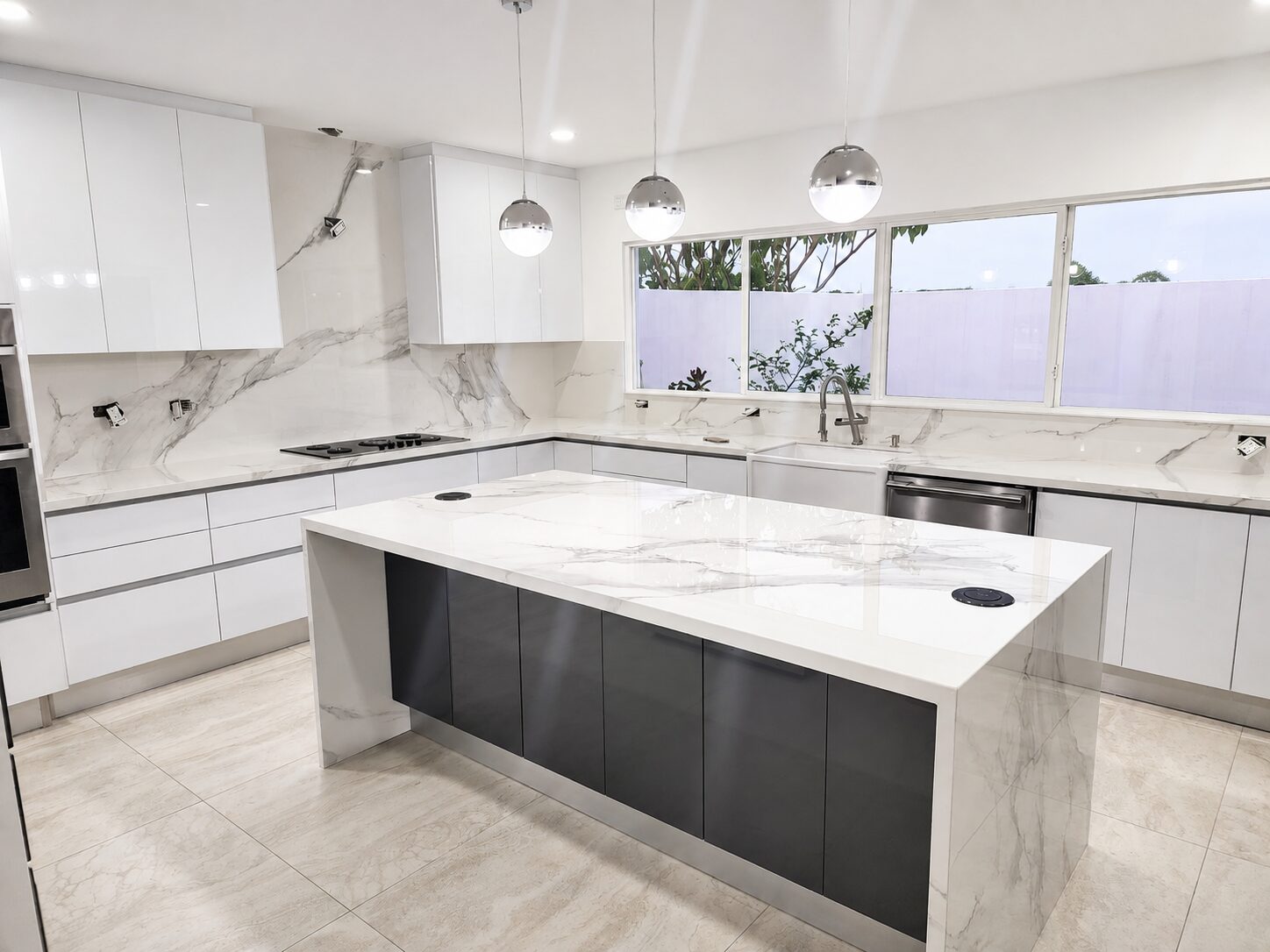
Why Granite Countertops Work Well in Guanacaste
Life in Guanacaste often moves between indoors and outdoors. Kitchens open to terraces. Outdoor cooking areas become gathering places. Many homes are designed around natural light, warm weather, and views.
Granite fits that lifestyle well. It handles heat and normal kitchen wear better than many materials, and properly selected granite can also work well in exterior applications.
For coastal homes in places such as Tamarindo, Flamingo, Potrero, Papagayo, and Playas del Coco, salt air deserves attention. The granite itself is usually not the main concern. The full installation matters. Cabinet hardware, support brackets, adhesives, sealants, fixtures, and other components should be appropriate for the environment.
Outdoor kitchens need the same kind of planning. Good support, drainage, appropriate clearances around grills, and a stone suitable for exterior use are important. A countertop that performs well indoors should not automatically be assumed to work outdoors without reviewing the complete installation.
Vacation homes and rental properties create another consideration. Owners may not be there every day, and different guests or cleaning crews may use the kitchen. A forgiving granite pattern, simple care instructions, and the right cleaning products can make ownership easier.
The biggest lesson is simple. The stone matters, but the quality of the fabrication and installation matters just as much.
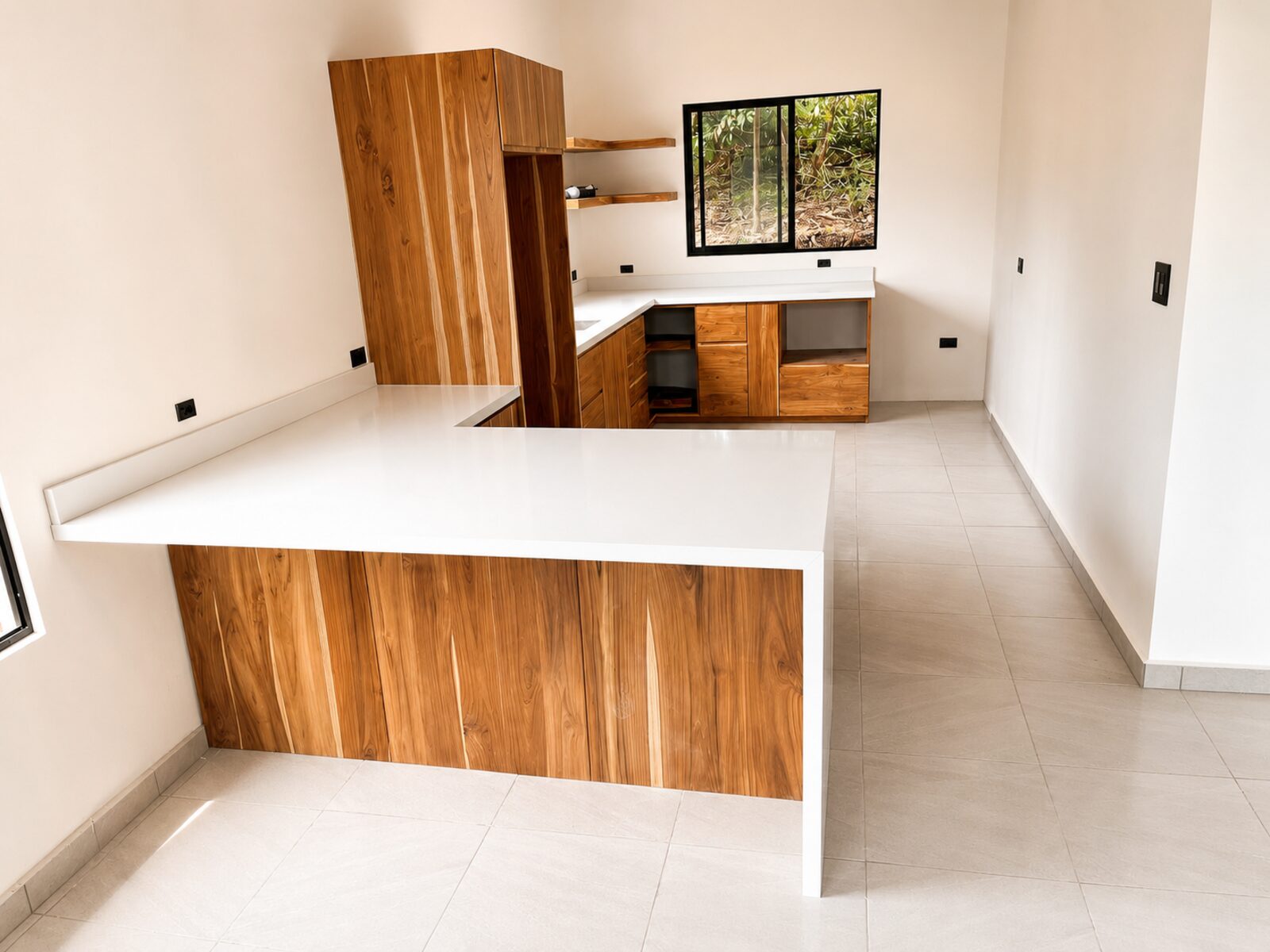
Benefits of Granite Countertops
Granite has remained popular because it offers a useful balance of durability, appearance, and long term value.
Durability
A properly fabricated and installed granite countertop can handle the demands of an active kitchen for many years. This makes it a practical choice for primary residences, vacation homes, and rental properties.
Heat Resistance
Granite has excellent heat resistance. Even so, using trivets or heat pads is a good habit because it also protects sealers, seams, and nearby finishes.
Scratch Resistance
Granite resists normal scratching well. Cutting boards are still recommended because they protect your knives and reduce unnecessary wear on the countertop.
Natural Appearance
Every granite slab is different. Color, mineral movement, and pattern vary from one piece to another. That natural variation is one of the reasons homeowners continue to choose it.
Long Term Value
Granite can cost more initially than some countertop options, but its durability and timeless appearance can make it a good long term investment when the material and installation are chosen carefully.
Granite vs Quartz vs Marble vs Porcelain
The best countertop material depends on where it will be installed, how much maintenance you want, and the look you prefer.
Granite
- Appearance
- Natural variation
- Heat Resistance
- Excellent
- Scratch Resistance
- Excellent
- Stain Resistance
- Good with proper care
- Outdoor Use
- Excellent when properly selected
- Maintenance
- Low
- Best Fit
- Kitchens, islands, outdoor areas
Quartz
- Appearance
- More consistent patterns
- Heat Resistance
- Good, but excessive heat should be avoided
- Scratch Resistance
- Very good
- Stain Resistance
- Excellent
- Outdoor Use
- Only when specifically approved for exterior use
- Maintenance
- Very low
- Best Fit
- Busy indoor kitchens
Marble
- Appearance
- Distinct natural veining
- Heat Resistance
- Good
- Scratch Resistance
- Moderate
- Stain Resistance
- Moderate
- Outdoor Use
- More limited
- Maintenance
- Moderate to high
- Best Fit
- Decorative and luxury spaces
Porcelain or Sintered Surface
- Appearance
- Modern and consistent designs
- Heat Resistance
- Excellent
- Scratch Resistance
- Excellent
- Stain Resistance
- Excellent
- Outdoor Use
- Excellent when product is exterior rated
- Maintenance
- Very low
- Best Fit
- Contemporary kitchens and selected outdoor areas
For a family kitchen, granite and quartz are both practical choices. Granite offers natural variation and strong heat resistance, while quartz appeals to homeowners who prefer a more consistent appearance and very low maintenance.
For bathrooms, granite and quartz are easy choices for everyday use. Marble can create a beautiful luxury look, but it generally needs more attentive care.
For outdoor kitchens, granite is one of the strongest traditional options. Porcelain and sintered surfaces can also perform very well when the specific product is approved for exterior use.
For vacation rentals, durability and simple maintenance usually matter more than choosing the most dramatic material. A medium tone granite with natural movement can help hide fingerprints, water spots, and normal daily use.
Choosing the Right Granite Color
Color should work with your home, but it should also work with the way you live.
Light granite in white, cream, beige, or soft gray can make a kitchen feel bright and open. These tones work especially well in homes with large windows, natural light, and an indoor and outdoor layout.
Dark granite can create a dramatic look, especially with modern cabinetry. The tradeoff is that some darker surfaces show dust, fingerprints, and water spots more easily.
For outdoor kitchens and rental properties, medium tone granite with natural movement can be very practical. Gray, brown, gold, and mixed patterns often disguise normal use better than very solid light or dark colors.
Before making a final choice, look at the slab in person whenever possible. A small sample cannot show the full pattern or movement of a natural stone slab.
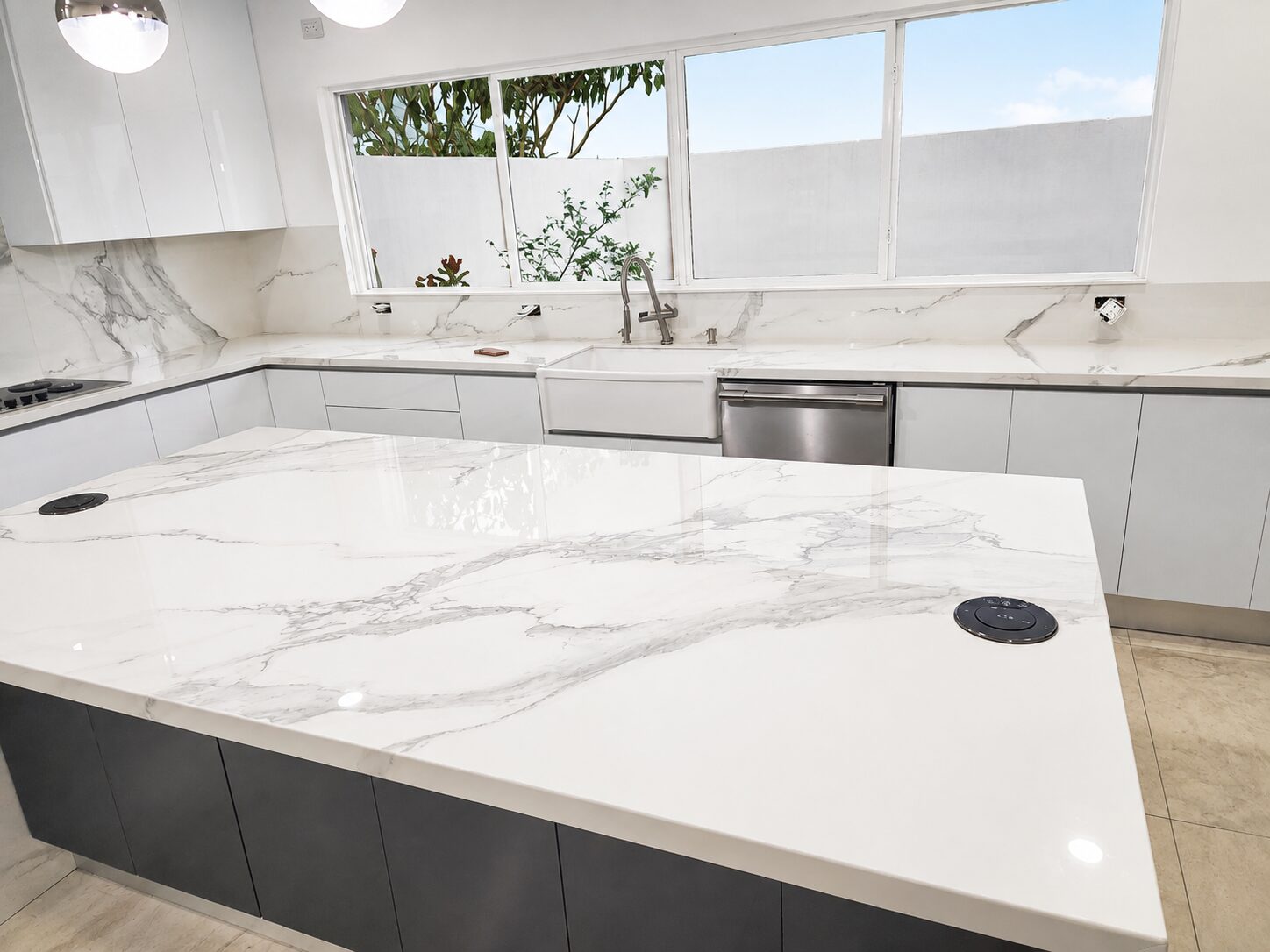
Finishes and Edge Profiles
The finish and edge profile change both the look and feel of a countertop.
A polished finish has a smooth, reflective surface that brings out the color and pattern of the stone. It is a common choice for kitchens and bathrooms.
A honed finish has a softer, matte appearance. It can look very elegant, although oils and fingerprints may appear differently depending on the stone.
A leathered finish adds light texture and can help disguise fingerprints and water spots. It can be a good option for homeowners who want more natural character.
Common edge choices include:
- Eased edge: Simple, clean, and easy to maintain.
- Bullnose edge: Rounded and softer in appearance.
- Ogee edge: More decorative and often used in traditional or formal designs.
- Mitered edge: Creates the appearance of a thicker countertop and works well with contemporary islands.
What Every Homeowner Should Know Before Buying Granite
A granite project should be planned as a complete installation, not simply as a stone purchase.
View the Actual Slab
Natural stone varies. Ask to see the actual slab reserved for your project before fabrication. Pay particular attention to the areas that may become the island, backsplash, or other highly visible sections.
Compare the Full Quote
Do not compare proposals based only on the total price. Confirm what each quote includes.
A complete proposal may include:
- Stone and slab selection
- Templating and measurements
- Fabrication
- Edge profile
- Sink and cooktop cutouts
- Transportation
- Installation
- Sealing when required
- Warranty information
Prepare the Cabinets First
Cabinets should be fully installed, secured, and level before final templating. Changes after measurements are taken can create delays or require new measurements.
Discuss Seams Before Fabrication
Seams may be necessary depending on slab size, kitchen layout, transportation, and structural requirements. Ask where they will be located before approving fabrication.
Take Templating Seriously
Accurate templating helps the fabricator account for walls, cabinets, sinks, cooktops, faucets, and other details. Good measurements reduce surprises during installation.
Fabrication and Installation Matter
The best slab can still produce a poor result if fabrication or installation is weak. Edge quality, cutouts, seam alignment, support, leveling, and final fit all depend on workmanship.
Questions to Ask Your Fabricator
- Can I see and approve the actual slab before fabrication?
- How will the final measurements be taken?
- Where do you expect the seams to be?
- Which edge profiles are available and which are included?
- Does the quote include fabrication, delivery, installation, and sealing when needed?
- How will sinks, cooktops, overhangs, and other openings be supported?
- What warranty is provided for workmanship and materials?
- What maintenance do you recommend for this specific stone?
- What is the expected fabrication and installation timeline?
- Are there any costs that are not included in the proposal?
How to Care for Granite Countertops
Granite does not require complicated care, but the right habits make a difference.
Daily Cleaning
Warm water, a soft microfiber cloth, and a cleaner made for natural stone are usually enough for daily cleaning. Avoid abrasive pads and harsh or acidic cleaners that may affect the sealer or finish.
Sealing
Many granite varieties benefit from periodic sealing. The right schedule depends on the stone, how it is used, and the recommendations of the fabricator or sealer manufacturer. Do not assume every granite needs the same schedule.
Heat and Cutting
Granite handles heat well, but trivets are still a smart habit. Use cutting boards as well. They protect your knives and keep food preparation off the countertop surface.
Granite Maintenance Checklist
- Clean with warm water and a microfiber cloth.
- Use a cleaner designed for natural stone.
- Wipe up spills promptly.
- Use trivets for very hot cookware.
- Use cutting boards for food preparation.
- Avoid bleach, vinegar, ammonia, abrasive pads, and harsh acidic cleaners.
- Follow the recommended sealing schedule for your stone.
- Check areas around sinks and faucets for standing water.
- Give cleaning instructions to property managers, housekeepers, and guests.
Frequently Asked Questions About Granite Countertops in Guanacaste
How much do granite countertops cost in Guanacaste?
Cost depends on the stone, slab thickness, project size, edge profile, cutouts, fabrication, transportation, and installation. When comparing quotes, ask for the complete scope so you know whether templating, fabrication, delivery, installation, and sealing are included.
Is granite a good choice for a home near the ocean?
Yes, granite can work very well in coastal homes. The full installation should be planned for the environment, including appropriate hardware, supports, sealants, cabinetry, and nearby fixtures.
Can granite be used in an outdoor kitchen?
Yes. Granite is commonly used outdoors because of its heat resistance and durability. The specific stone and installation should still be reviewed for exterior exposure, support, drainage, and the cooking equipment around it.
Is granite better than quartz?
It depends on the application. Granite provides natural variation, strong heat resistance, and excellent outdoor potential. Quartz provides a more consistent appearance and very low maintenance indoors. For exterior use, confirm that any quartz product is specifically approved by its manufacturer.
Should I choose granite or marble?
Marble offers a distinctive luxury appearance, but it generally requires more care. Granite is often the more practical choice for busy kitchens, rental properties, and outdoor spaces.
Can granite countertops crack?
Granite is durable, but it can crack from heavy impact or inadequate support. Sink openings, cooktops, seams, and long overhangs deserve particular attention during fabrication and installation.
Can damaged granite be repaired?
Many small chips and some minor cracks can be repaired by a qualified stone professional. More serious structural damage may require a different solution.
Which granite colors work best in Guanacaste homes?
There is no single best color. Light colors can create a bright coastal look, while medium tones often hide normal dust and water spots better. The right choice depends on your lighting, cabinetry, design, and maintenance expectations.
Can granite improve property value?
Quality stone countertops can contribute to the overall appeal and perceived quality of a kitchen or bathroom. They are only one part of a home's value, but a well designed and properly installed countertop can make the space more attractive to buyers and renters.
What is the best way to clean granite?
Use warm water, a soft cloth, and a cleaner intended for natural stone. Wipe spills promptly and avoid harsh, abrasive, or acidic products.
How often should granite be sealed?
There is no universal schedule. It depends on the stone, sealer, and level of use. Ask your fabricator what is recommended for the exact material installed in your home.
What should I look for in a granite fabricator or installer?
Look for clear communication, experience, accurate templating, thoughtful seam planning, quality fabrication, proper support, references or project examples, and a written explanation of what the proposal includes.
Conclusion
Granite countertops in Guanacaste can be an excellent choice for homeowners who want natural beauty, durability, heat resistance, and flexibility for indoor or outdoor living.
The most important decision is not simply which slab looks best. Look at the actual stone, understand the full quote, make sure the cabinets are ready before templating, discuss seams and support, and choose experienced people to fabricate and install the countertop.
A little planning at the beginning can prevent expensive problems later and help you choose a countertop that fits your home and the way you actually use it.
Thinking About a Granite Project?
If you're planning a kitchen, bathroom vanity, outdoor kitchen, or another granite project in Guanacaste, we're happy to help you understand your options before you make a decision.